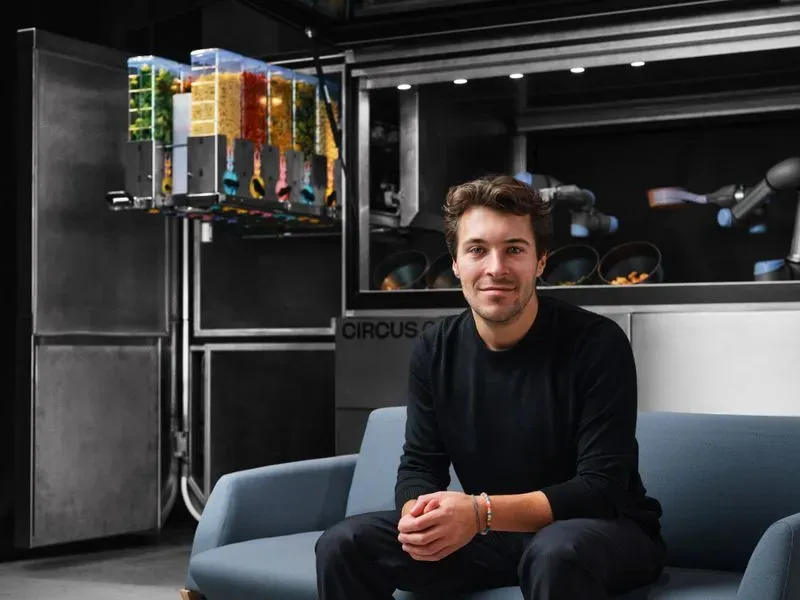
Embodied AI: Robotics, Drones, and Autonomous Systems
Sertig 2 · Mountain Plaza Hotel
AI is moving from screens to physical systems. Robots need to work in factories. Drones need to navigate unpredictable environments. Autonomous systems need to see, move, and adapt in real time.
Embodied AI puts intelligence into physical systems that interact with the world—robotics for manufacturing and logistics, drones for inspection and delivery, autonomous vehicles, sensor-driven systems in agriculture and infrastructure.
What's Working vs. What's Stuck What applications are in production environments versus still in labs? Manufacturing automation, warehouse robotics, inspection drones, agricultural systems—where is embodied AI delivering value, and where is it overpromised?
Technical Challenges Real-time processing requirements. Physical constraints—weight, power, durability. Safety standards and certification. Integration with existing systems. Edge computing for low-latency decisions. Hardware reliability at industrial scale.
Economic Reality Which use cases justify the cost? What's the ROI for deploying robotics in manufacturing versus hiring more people? Where does embodied AI make economic sense now, and where is it 3-5 years away from viability?
From Pilots to Scale Many robotics companies have impressive demos. Fewer have scaled deployments. What does it take to move from pilot projects to production at scale? What breaks—technology, business model, customer readiness, or integration complexity?
Investment and Competition How do investors assess embodied AI when development cycles are long, capital requirements are high, and margins can be thin? Where is competition heating up—humanoid robots, inspection drones, warehouse automation?
Robotics companies, operators deploying embodied AI, hardware manufacturers, AI researchers, and investors discuss what's scaling, what's stalled, and where the real opportunities are.